
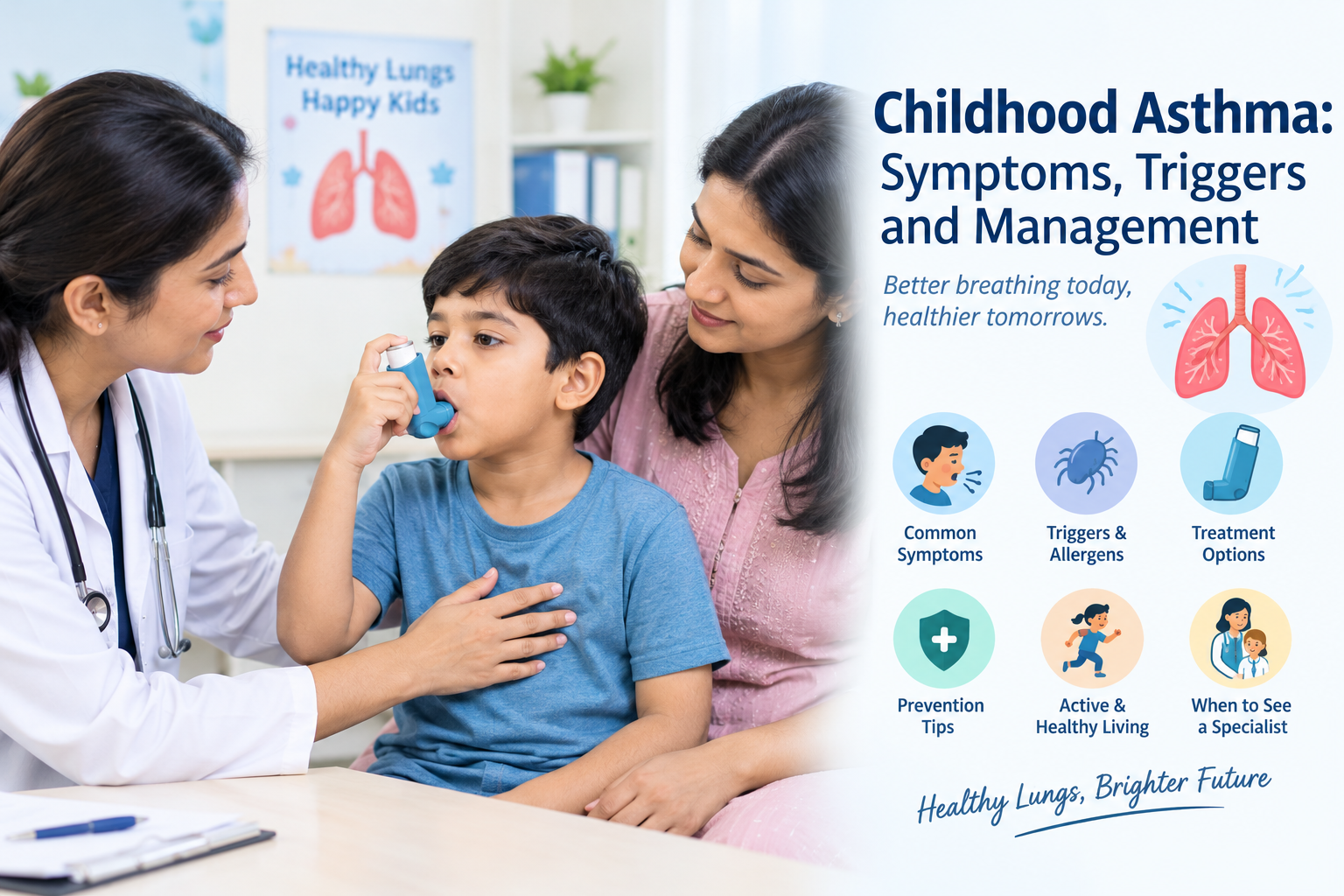
Does your child frequently cough at night, wheeze while playing or experience breathing difficulties during seasonal changes? These symptoms may sometimes be associated with childhood asthma, a common chronic respiratory condition that affects the airways.
Asthma causes inflammation and narrowing of the airways, making it harder for air to move in and out of the lungs. Symptoms may come and go, and certain triggers can make them worse. With an appropriate diagnosis, the right medication and a well-planned management routine, most children with asthma can participate in school, sports and everyday activities.
However, recognising the symptoms early is important. Untreated or poorly controlled asthma can interfere with sleep, physical activity and a child's overall quality of life.
In this article, we explain the common symptoms of childhood asthma, its triggers, available treatment options and practical steps parents can take to support their child's respiratory health.
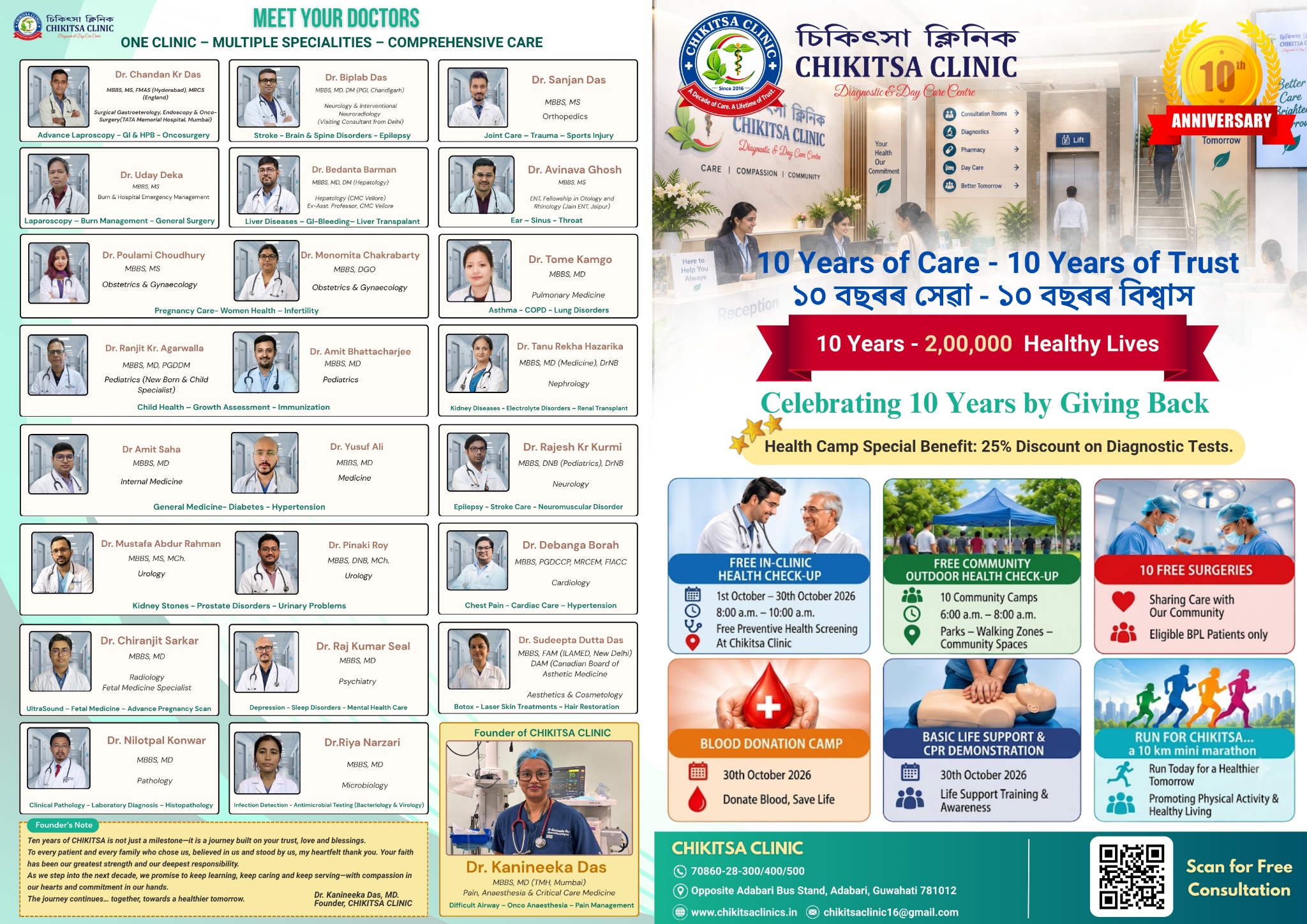
At Chikitsa Clinic, Guwahati, parents can enquire about suitable medical consultation and specialist availability for their child's healthcare needs.
What Is Childhood Asthma?
Childhood asthma is a condition in which the airways become inflamed and overly sensitive to certain triggers. During an asthma episode, the muscles surrounding the airways may tighten, the airway lining may swell and extra mucus may develop.
These changes make breathing difficult.
Common symptoms include coughing, wheezing, chest tightness and shortness of breath. Symptoms may be mild in some children and more severe in others.
Asthma can begin at any age during childhood. Some children experience symptoms mainly during exercise, while others have recurring symptoms at night, during respiratory infections or after exposure to allergens.
Although some children experience fewer symptoms as they grow older, asthma can persist into adulthood. Regular monitoring helps ensure that treatment remains appropriate as a child develops.
What Are the Common Symptoms of Asthma in Children?
Childhood asthma does not look the same in every child. Some children experience occasional symptoms, while others have frequent flare-ups.
Parents should watch for the following signs.
1. Persistent or Recurrent Coughing
A recurring cough may be one of the earliest signs of childhood asthma.
The cough may become more noticeable:
At night or early in the morning
During running, playing or other physical activities
After exposure to dust, smoke or strong fragrances
During or after a viral respiratory infection
Not every persistent cough is caused by asthma. A healthcare professional can help identify the underlying cause.
2. Wheezing
Wheezing is a whistling sound that may occur when a child breathes, particularly while breathing out.
It can be associated with asthma, although wheezing can also occur with viral infections and other respiratory conditions, especially in younger children.
3. Shortness of Breath
A child with asthma may become breathless more easily than usual, particularly during exercise or an asthma flare-up.
You may notice that your child needs to stop playing frequently or struggles to keep up with other children.
4. Chest Tightness
Older children may describe a feeling of pressure, discomfort or tightness in their chest.
Younger children may not be able to explain this sensation clearly, so parents should pay attention to changes in breathing and activity levels.
5. Difficulty Sleeping
Night-time coughing, wheezing or breathing discomfort can interrupt sleep.
If your child frequently wakes up because of coughing or breathing difficulties, consult a healthcare professional. Night-time symptoms may indicate that asthma is not adequately controlled.
6. Reduced Activity or Exercise Tolerance
Children with poorly controlled asthma may avoid running, sports or active games because they become breathless or start coughing.
With appropriate treatment, many children with asthma can participate in physical activities safely.
Important: Seek emergency medical care if your child has severe breathing difficulty, blue or grey lips, marked chest or neck retractions, difficulty speaking or drinking because of breathlessness, unusual drowsiness or exhaustion. Do not wait for all these symptoms to appear.
What Causes Asthma in Children?
There is no single cause of childhood asthma. It usually develops through a combination of genetic susceptibility, environmental exposures and airway sensitivity.
1. Family History and Genetics
Children with a parent or close family member who has asthma, eczema or allergic rhinitis may have a higher risk of developing asthma.
However, children without a family history can also develop the condition.
2. Allergies
Some children have asthma associated with allergies to substances such as:
House dust mites
Pollen
Animal dander
Mould
Certain other environmental allergens
Allergies do not explain every case of asthma, and allergy testing is not necessary for every child.
3. Respiratory Infections
Viral infections, including common colds, can trigger coughing and wheezing in children with sensitive airways.
In preschool children, viral wheezing can occur without persistent asthma, so the pattern of symptoms and clinical assessment are important.
4. Environmental Factors
Air pollution, tobacco smoke, indoor smoke and other airborne irritants can worsen respiratory symptoms.
Reducing a child's exposure to these irritants is an important part of respiratory health management.
What Are the Common Asthma Triggers in Children?
A trigger is something that brings on or worsens asthma symptoms. Identifying your child's specific triggers can help you reduce unnecessary exposure.
1. Dust and Dust Mites
Dust mites can live in mattresses, pillows, bedding and upholstered furniture. In children who are sensitive to them, exposure may contribute to symptoms.
Regular cleaning and washing bedding can help. Special mattress covers may be useful for children with confirmed dust-mite sensitivity, but they are not necessary for every child with asthma.
2. Air Pollution and Smoke
Outdoor pollution, vehicle emissions, tobacco smoke, incense smoke and smoke from cooking fuels may irritate the airways.
Try to keep your home and car smoke-free. On days with poor air quality, follow local health advisories and consider reducing prolonged outdoor exertion if your child develops symptoms.
3. Seasonal Changes and Pollen
Some children experience increased symptoms during particular seasons because of pollen, weather changes or associated respiratory infections.
Keeping a record of symptoms can help identify patterns and support discussions with your child's doctor.
4. Exercise and Physical Activity
Running and vigorous exercise can trigger asthma symptoms in some children. This does not mean children with asthma should avoid sports.
With good asthma control and an appropriate treatment plan, physical activity is encouraged. A doctor may recommend prescribed medication before exercise for children who need it.
5. Viral Respiratory Infections
Colds and other viral infections are common asthma triggers. Encourage regular handwashing and routine vaccinations according to your child's age and medical advice.
6. Strong Fragrances and Irritants
Perfumes, aerosol sprays, cleaning products and other strong fumes can trigger symptoms in some children.
Avoid products that you know worsen your child's breathing, and maintain good indoor ventilation when using household cleaning products.
How Is Childhood Asthma Diagnosed?
There is no single test that confirms asthma in every child. Diagnosis is based on the child's symptoms, medical history, examination and, when appropriate, lung function testing.
A healthcare professional may:
Ask about recurring cough, wheezing, night-time symptoms and exercise-related breathing problems.
Review the child's family history, allergies and exposure to possible triggers.
Examine the chest and assess breathing.
Recommend spirometry or other lung function tests when the child is old enough to perform them reliably.
Consider allergy testing or additional investigations if clinically indicated.
Assess whether the child's symptoms improve with appropriate asthma treatment.
In younger children, particularly preschoolers, diagnosis can be more challenging because they may be unable to complete standard lung function tests. Doctors may use the pattern of symptoms, examination findings and response to treatment to guide their assessment.
Other conditions, including respiratory infections and certain airway disorders, may produce similar symptoms. A proper evaluation helps avoid incorrect diagnosis and unnecessary medication.
How Is Childhood Asthma Managed?
Asthma management aims to control symptoms, prevent flare-ups, support normal activity and reduce the risk of severe attacks.
Treatment depends on the child's age, symptom frequency, severity, risk factors and response to medication.
1. Use Prescribed Asthma Medication
Asthma medicines generally fall into two broad categories.
Controller or anti-inflammatory medicines: These help reduce airway inflammation and prevent symptoms over time. Inhaled corticosteroids are an important component of treatment for many children with persistent asthma.
Reliever medicines: These provide rapid relief from airway narrowing when indicated. The appropriate reliever depends on the child's treatment plan and current clinical guidance.
Some children may be prescribed combination inhalers or other medicines depending on their condition.
Parents should never start, stop or change asthma medication without medical guidance. Not every child needs the same treatment, and certain medicines are not appropriate for every age group.
2. Learn the Correct Inhaler Technique
Inhalers can deliver medication directly into the lungs, but correct technique is essential.
Depending on the child's age and device, a doctor may recommend using a spacer with a metered-dose inhaler. Younger children may need a face mask attached to the spacer.
Parents should ask a healthcare professional to demonstrate the technique and check it periodically. If symptoms are not improving, do not simply increase doses without following the child's written asthma action plan or obtaining medical advice.
3. Prepare a Written Asthma Action Plan
A written asthma action plan helps parents, caregivers and teachers understand what to do when symptoms are controlled, worsening or severe.
It should explain:
Which medicines to use routinely
How to recognise worsening symptoms
Which prescribed medicines to use during a flare-up
When to contact the child's healthcare professional
When emergency care is necessary
Keep a copy at home and share relevant instructions with the school or other caregivers.
4. Reduce Exposure to Known Triggers
Identify the triggers that appear to worsen your child's symptoms and take practical steps to reduce exposure.
Keep indoor spaces smoke-free, address dampness and mould, and avoid strong fumes that trigger coughing or wheezing.
Do not make major dietary restrictions or remove pets solely because a child has asthma unless there is a clear reason and appropriate medical guidance.
5. Encourage Regular Physical Activity
Children with well-controlled asthma can usually enjoy running, swimming, cycling and other physical activities.
If exercise regularly triggers symptoms, discuss this with your child's doctor. Treatment may need to be reviewed, and a specific pre-exercise plan may be appropriate.
Do not routinely exclude a child from physical education or sports simply because they have asthma.
6. Attend Regular Follow-Up Appointments
Regular reviews allow the healthcare professional to assess symptom control, check inhaler technique, review medication and update the asthma action plan.
If your child frequently wakes at night, misses school because of breathing symptoms or needs reliever medication more often than advised, arrange a medical review.
What Should Parents Do During an Asthma Attack?
An asthma attack can range from mild to life-threatening. Knowing how to respond can help protect your child.
If your child develops worsening breathing symptoms:
Keep your child as calm as possible and help them sit upright.
Follow the child's written asthma action plan.
Give the prescribed reliever medication using the recommended device and technique.
Observe your child's breathing and response closely.
Seek urgent medical care if symptoms are severe, worsen rapidly or fail to improve as directed by the action plan.
Call emergency services immediately if your child is struggling to breathe, cannot speak or drink normally because of breathlessness, has blue or grey lips, becomes confused or unusually drowsy, or appears exhausted.
Do not delay emergency care while trying steam inhalation, home remedies or unprescribed medicines.
Can Childhood Asthma Be Prevented?
There is no guaranteed way to prevent asthma from developing. However, parents can take steps to reduce respiratory irritants, support healthy development and improve symptom control.
Helpful measures include:
Keeping the home and car free from tobacco smoke.
Reducing exposure to known allergens and irritants.
Addressing indoor dampness and mould.
Encouraging age-appropriate physical activity.
Following routine vaccination recommendations.
Supporting healthy sleep and a balanced diet.
Attending medical reviews when symptoms recur.
Using prescribed medicines consistently and correctly.
These measures may help reduce flare-ups, although they cannot eliminate every asthma trigger or guarantee that asthma will not develop.
When Should You Consult a Child Specialist in Guwahati?
Consider arranging a medical consultation if your child:
Has recurring coughing or wheezing.
Frequently coughs at night or wakes because of breathing symptoms.
Becomes unusually breathless while playing or exercising.
Has repeated episodes of wheezing during respiratory infections.
Needs reliever medication more frequently than recommended.
Misses school or avoids activities because of breathing difficulties.
Has asthma symptoms that are not improving with the current treatment plan.
A paediatrician can evaluate your child's symptoms and determine whether further respiratory assessment is necessary.
If your child is already diagnosed with asthma, regular follow-up can help ensure that medication, inhaler technique and trigger-management strategies remain appropriate.
Looking for medical consultation in Guwahati?
Chikitsa Clinic is located opposite Adabari Bus Stand in Adabari, Guwahati, Assam. Parents can contact the clinic to enquire about paediatric consultation and relevant specialist availability before visiting.
Contact: 70860-28-300 / 70860-28-400 / 70860-28-500.
For severe breathing difficulty or a suspected life-threatening asthma attack, seek emergency medical care immediately rather than waiting for a routine appointment.
Frequently Asked Questions (FAQs)
1. What are the first signs of asthma in children?
Early signs may include recurring coughing, wheezing, shortness of breath and night-time coughing. Symptoms that repeatedly occur during exercise, respiratory infections or exposure to specific triggers should be evaluated by a healthcare professional.
2. Can a child have asthma without wheezing?
Yes. Some children experience asthma-related coughing without obvious wheezing. However, cough has many possible causes, so a medical assessment is important before diagnosing asthma.
3. What triggers asthma attacks in children?
Common triggers include viral respiratory infections, tobacco smoke, air pollution, dust mites, pollen and exercise. Triggers vary from child to child.
4. Is childhood asthma curable?
There is no guaranteed cure for asthma, but many children achieve good symptom control with appropriate treatment. Some children experience fewer symptoms as they grow older, although asthma may persist or return later.
5. Can children with asthma play sports?
Yes. Most children with well-controlled asthma can participate in sports and physical activities. If exercise triggers symptoms, a healthcare professional can recommend an appropriate management plan.
6. Are inhalers safe for children?
When prescribed appropriately and used correctly, inhalers are an effective way to deliver asthma medication. Parents should follow the prescribed dose and technique and discuss any concerns with their child's doctor.
7. Can cold weather or seasonal changes worsen asthma?
Yes. Cold air, changes in weather, pollen and seasonal respiratory infections may trigger symptoms in some children. Identifying individual patterns can help families prepare.
8. How can I help prevent asthma attacks at home?
Follow the prescribed treatment plan, avoid tobacco smoke, reduce exposure to known triggers, ensure correct inhaler technique and keep a written asthma action plan accessible.
9. When should I take my child to the hospital for asthma?
Seek emergency care if your child has severe breathing difficulty, blue or grey lips, difficulty speaking or drinking because of breathlessness, unusual drowsiness or exhaustion, or symptoms that are rapidly worsening. Do not delay care while trying home remedies.
10. Which doctor should I consult for childhood asthma in Guwahati?
A paediatrician can assess asthma symptoms and guide initial treatment. Children with difficult-to-control asthma may benefit from evaluation by a paediatric respiratory specialist, where available.
Conclusion
Childhood asthma can affect sleep, school attendance, physical activity and everyday life, but appropriate management can help most children remain active and healthy.
Recognising recurring cough, wheezing and breathing difficulties is an important first step. Understanding individual triggers, using prescribed medicines correctly, maintaining a written asthma action plan and attending regular medical reviews can help reduce the risk of flare-ups.
If your child frequently experiences respiratory symptoms, do not ignore them or rely exclusively on home remedies. Seek professional advice to understand the cause and identify the most suitable treatment.
For parents seeking healthcare guidance in Guwahati, contact Chikitsa Clinic to enquire about paediatric consultation and available services. Early assessment and consistent care can make a meaningful difference to your child's respiratory health.