
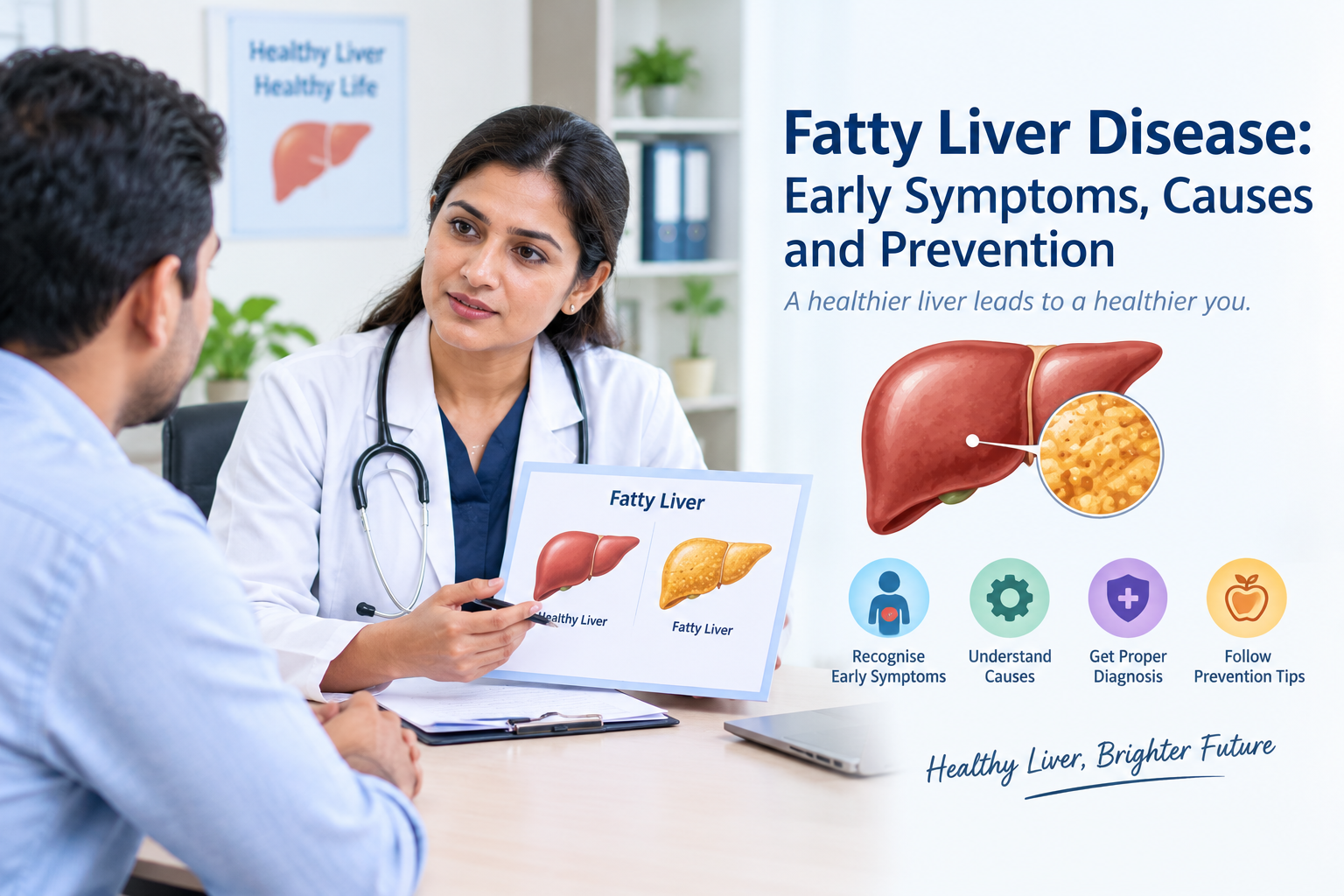
Fatty liver disease is a common health condition in which excess fat accumulates in the liver. In its early stages, it may not cause noticeable symptoms, which means many people remain unaware of the condition until it is discovered during a routine health checkup or medical investigation.
The liver plays an essential role in digestion, metabolism, nutrient storage and removing harmful substances from the body. When excess fat accumulates in the liver, it can sometimes lead to inflammation, liver damage and scarring if the condition progresses.
The good news is that early detection and appropriate lifestyle changes can help many people improve their liver health and reduce the risk of complications.
In this article, we explain the early symptoms of fatty liver disease, its common causes, available diagnostic tests and practical ways to help prevent it.
At Chikitsa Clinic, Guwahati, understanding liver health is an important part of preventive healthcare. Knowing the risk factors and recognising when to seek medical advice can help you take better care of your liver.
What Is Fatty Liver Disease?
Fatty liver disease occurs when an excessive amount of fat builds up inside liver cells.
There are two broad categories based on contributing factors:
1. Metabolic dysfunction-associated steatotic liver disease (MASLD): Previously commonly called non-alcoholic fatty liver disease (NAFLD), this condition is associated with metabolic risk factors such as abdominal obesity, type 2 diabetes, high cholesterol and high blood pressure.
2. Alcohol-related liver disease: Excessive alcohol consumption can cause fat to accumulate in the liver and may lead to inflammation, fibrosis or cirrhosis over time.
Other conditions, medications and nutritional factors can also contribute to fat accumulation in the liver.
Fatty liver disease can range from simple fat accumulation to a more serious inflammatory condition that may cause liver scarring. Not everyone with fatty liver develops advanced liver disease, but identifying the underlying cause is important.
What Are the Early Symptoms of Fatty Liver Disease?
One of the most important things to understand about fatty liver disease is that many people do not experience any symptoms during the early stages.
The condition may be detected through an abdominal ultrasound, blood tests or other investigations performed for unrelated reasons.
When symptoms occur, they may include the following.
1. Persistent Fatigue
Some people with fatty liver disease experience ongoing tiredness, low energy or general weakness. However, fatigue has many possible causes and does not necessarily indicate liver disease.
2. Discomfort in the Upper Right Abdomen
The liver is located on the upper right side of the abdomen. Some individuals experience mild discomfort, pressure or a dull ache in this area, particularly when the liver is enlarged.
3. Unexplained Abdominal Weight Gain
Excess abdominal fat is associated with metabolic dysfunction and an increased risk of fatty liver disease. Weight gain alone, however, cannot confirm that fat has accumulated in the liver.
4. Abnormal Liver Blood Tests
Elevated liver enzymes, including ALT and AST, may be found during routine blood testing. These results can indicate liver irritation or injury, but normal enzyme levels do not completely rule out fatty liver disease or advanced fibrosis.
5. Signs of Advanced Liver Disease
If liver damage progresses, warning signs may include:
Yellowing of the skin or eyes (jaundice)
Swelling of the abdomen or legs
Easy bruising or unusual bleeding
Persistent itching
Confusion or unusual drowsiness
These symptoms require prompt medical assessment. Vomiting blood, passing black stools or developing sudden confusion warrants emergency medical care.
Important: Do not wait for symptoms to appear if you have diabetes, obesity, high triglycerides or other significant risk factors. Ask your healthcare professional whether liver assessment is appropriate.
What Causes Fatty Liver Disease?
Fatty liver disease usually develops due to a combination of metabolic, lifestyle, genetic and other medical factors.
1. Overweight and Abdominal Obesity
Excess body fat, especially around the abdomen, is associated with insulin resistance and increased fat accumulation in the liver.
Maintaining a healthy weight can help reduce this risk.
2. Type 2 Diabetes and Insulin Resistance
Insulin resistance affects how the body regulates blood sugar and stores fat. It is strongly associated with MASLD and may increase the risk of liver inflammation and fibrosis.
3. High Cholesterol and Triglycerides
Elevated triglycerides and other metabolic abnormalities can contribute to fat accumulation in the liver.
Regular monitoring of blood sugar and cholesterol may help identify metabolic risk factors early.
4. Unhealthy Eating Habits
Frequent consumption of excess calories, sugary drinks, foods high in added sugar and highly processed foods may contribute to weight gain and metabolic dysfunction.
A balanced diet with appropriate portion sizes can support liver health.
5. Physical Inactivity
Spending long periods sitting and not getting enough exercise can increase the risk of obesity, insulin resistance and fatty liver disease.
Regular physical activity can improve metabolic health, even before significant weight loss occurs.
6. Alcohol Consumption
Alcohol can cause or worsen liver fat accumulation and inflammation. The risk depends on factors including the amount consumed, duration of use and individual susceptibility.
People with liver disease should discuss alcohol avoidance with their doctor.
7. Genetic and Medical Factors
Family history, certain medications, hormonal conditions and some other medical problems can increase the risk of fatty liver disease.
If you suspect a medication may be affecting your liver, consult your doctor rather than stopping it yourself.
What Are the Stages of Fatty Liver Disease?
Fatty liver disease does not progress in the same way for everyone. Some people remain stable, while others develop inflammation and liver scarring.
Stage 1: Steatosis
Fat accumulates in liver cells. This stage may cause no symptoms, and liver function can remain normal.
Stage 2: Steatohepatitis
Fat accumulation is accompanied by inflammation and liver cell injury. In metabolic disease, this is known as metabolic dysfunction-associated steatohepatitis (MASH), previously called NASH.
Stage 3: Fibrosis
Persistent liver injury can lead to the development of scar tissue. The amount and location of scarring help determine the risk of future complications.
Stage 4: Cirrhosis
Extensive scarring can permanently alter the structure and function of the liver. Cirrhosis can lead to serious complications, including liver failure and liver cancer.
Not everyone progresses through all these stages. Early evaluation can help identify people who need closer monitoring or specialist care.
How Is Fatty Liver Disease Diagnosed?
Doctors use your medical history, examination and appropriate tests to assess fatty liver disease and determine whether liver scarring may be present.
Common investigations include:
1. Liver function blood tests: ALT, AST and other tests can help assess liver injury and function. Normal results do not exclude all forms of liver disease.
2. Abdominal ultrasound: This imaging test can identify fat accumulation in the liver, although it may miss mild disease and cannot reliably determine the degree of fibrosis.
3. Blood sugar and lipid tests: HbA1c or blood glucose and a lipid profile can help identify metabolic risk factors.
4. Fibrosis risk assessment: Doctors may use blood-test-based scores, such as FIB-4, to estimate the likelihood of significant liver scarring.
5. Elastography: Specialised imaging, such as transient elastography, can help assess liver stiffness and estimate fibrosis risk.
Additional tests may be recommended to investigate other causes of liver disease.
An ultrasound report mentioning grade 1 fatty liver should not be interpreted as a complete assessment of liver health. Your doctor may need to consider your metabolic risk factors and the possibility of fibrosis.
How Can Fatty Liver Disease Be Prevented Naturally?
Healthy lifestyle habits are among the most effective ways to reduce metabolic risk and improve liver health.
1. Eat a Balanced, Liver-Friendly Diet
Build meals around vegetables, fruits, whole grains, pulses, beans, nuts and appropriate portions of protein-rich foods.
For everyday Indian meals, practical options include:
Whole-wheat roti or other whole grains in appropriate portions
Dal, beans and other pulses
Green leafy vegetables and seasonal produce
Fresh fruit instead of sugary desserts
Unsweetened curd or other suitable protein sources
Fish, eggs or lean poultry, if part of your diet
Limit sugary beverages, frequent sweets, heavily processed foods and excess saturated fat.
You do not need a special detox diet to protect your liver. A balanced eating pattern that you can maintain over time is generally more useful.
2. Reduce Sugary Drinks and Added Sugar
Soft drinks, sweetened juices, energy drinks and other sugary beverages can contribute to excess calorie intake and metabolic problems.
Choose water or unsweetened beverages more often. Whole fruit is generally preferable to fruit juice because it provides fibre and is more filling.
3. Exercise Regularly
Aim for at least 150 minutes of moderate-intensity physical activity each week, if appropriate for your health.
Activities may include brisk walking, cycling, swimming or other forms of exercise you enjoy.
You can begin with short walks and gradually increase your activity level. Regular exercise may improve liver fat and metabolic health, even when weight loss is modest.
4. Maintain a Healthy Weight
If you are overweight, gradual weight loss may reduce liver fat and improve associated metabolic conditions.
For many people with overweight and MASLD, losing approximately 5% of body weight can reduce liver fat. Greater sustained weight loss may provide additional benefits, including improvement in inflammation and fibrosis in some individuals.
The right target depends on your starting weight, health conditions and medical advice. Avoid crash diets and extreme fasting plans.
5. Avoid Alcohol
Alcohol can worsen liver injury, particularly when other liver risk factors are present.
If you have fatty liver disease, discuss alcohol avoidance with your healthcare professional. Avoiding alcohol is especially important if you have inflammation, significant fibrosis or cirrhosis.
6. Manage Diabetes, Cholesterol and Blood Pressure
Good control of blood sugar, cholesterol, triglycerides and blood pressure supports overall metabolic health and can help reduce the risk of liver-related complications.
Attend regular checkups and follow the treatment plan recommended by your clinician.
7. Avoid Unverified Liver Detox Products
Many products marketed as liver cleansers, detox drinks or herbal liver tonics lack convincing evidence that they treat fatty liver disease. Some supplements can actually cause liver injury or interact with prescribed medication.
Before using supplements or herbal remedies, discuss them with your healthcare professional.
Is Fatty Liver Disease Reversible?
In many cases, particularly during the early stages, liver fat can decrease when the underlying causes are addressed.
Improvements may result from:
Sustainable weight management
A balanced, calorie-appropriate diet
Regular physical activity
Better diabetes and cholesterol control
Avoiding alcohol when medically indicated
Treating associated medical conditions
However, established advanced fibrosis or cirrhosis may not fully reverse. Treatment and monitoring remain important even if you feel well.
There is no single medicine that is suitable for everyone with fatty liver disease. Certain treatments may be appropriate for selected patients, depending on the disease stage, associated conditions and local treatment guidelines.
Consult a qualified healthcare professional before starting any medication or supplement for liver health.
When Should You Consult a Liver Specialist in Guwahati?
Consider a medical consultation if:
An ultrasound has shown fatty liver.
Your liver enzymes are persistently elevated.
You have diabetes, obesity or high triglycerides.
You have a strong family history of metabolic or liver disease.
You experience persistent abdominal discomfort or unexplained fatigue.
You need an assessment of liver fibrosis or guidance on long-term management.
Seek urgent medical care if you develop jaundice with significant illness, abdominal swelling or other concerning symptoms. Vomiting blood, black stools or sudden confusion requires emergency evaluation.
If you are looking for a liver specialist or hepatologist in Guwahati, choose a qualified professional who can assess your liver health, identify possible causes and recommend appropriate investigations and follow-up.
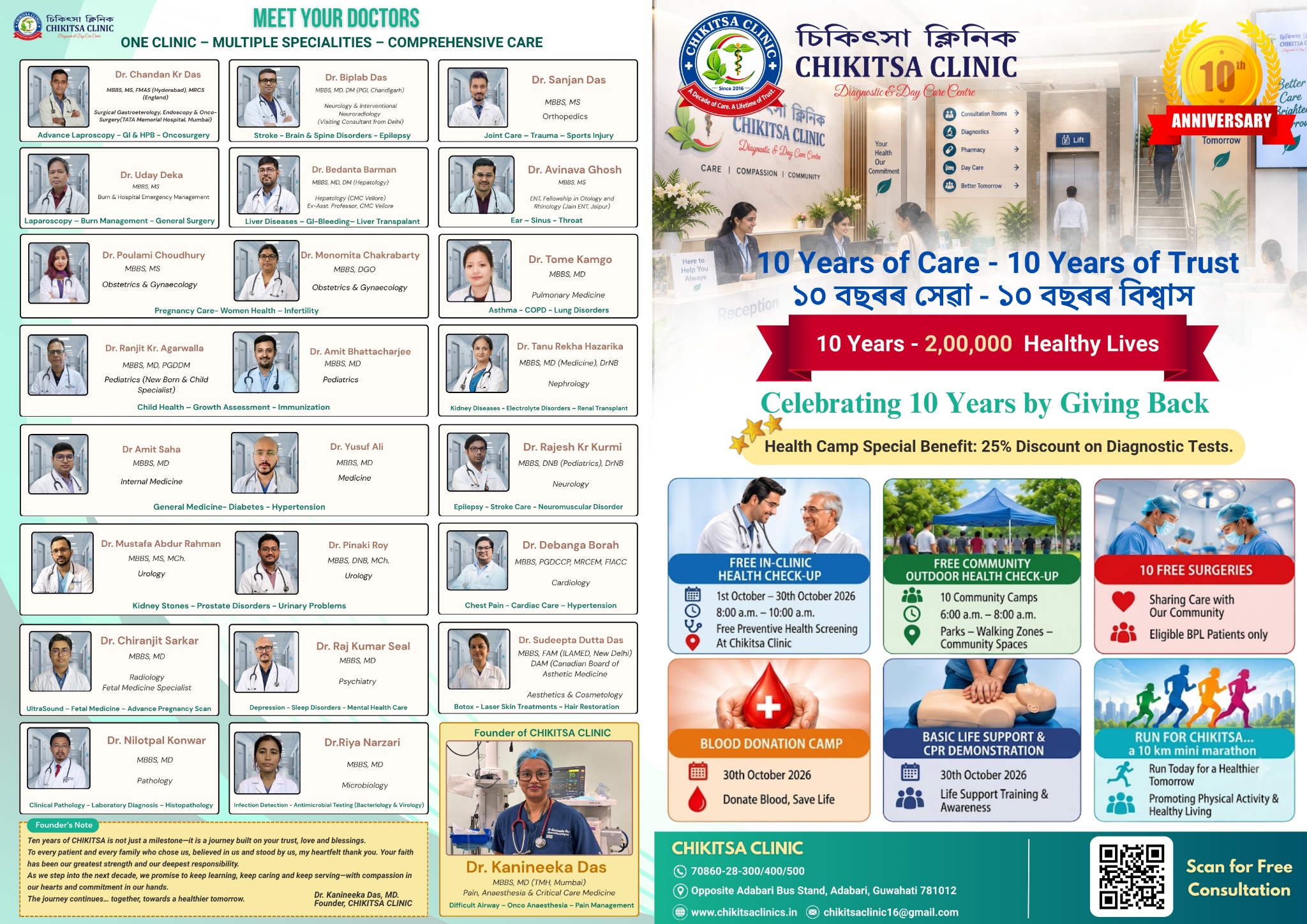
Chikitsa Clinic in Adabari, Guwahati, can be contacted to enquire about medical consultation and relevant specialist availability.
Clinic: Chikitsa Clinic, Opposite Adabari Bus Stand, Adabari, Guwahati, Assam – 781012.
Contact: 70860-28-300 / 70860-28-400 / 70860-28-500.
Please confirm the availability of the appropriate specialist before visiting.
Frequently Asked Questions (FAQs)
1. What are the early symptoms of fatty liver disease?
Most people have no symptoms during the early stages. Some may experience fatigue or mild upper-right abdominal discomfort, but these symptoms are not specific to liver disease.
2. Can fatty liver disease be cured?
Early fatty liver disease can often improve significantly when the underlying causes are managed. Advanced liver scarring may not fully reverse, so timely assessment and follow-up are important.
3. Is grade 1 fatty liver dangerous?
Grade 1 generally describes mild fat accumulation on imaging. It does not automatically mean severe liver damage, but your doctor should assess metabolic risk factors and determine whether further fibrosis evaluation is needed.
4. Which foods should I avoid if I have fatty liver?
Limit sugary drinks, excessive added sugar, heavily processed foods and foods high in saturated fat. Avoid alcohol if advised, and discuss your individual dietary requirements with your healthcare professional.
5. Can fatty liver occur in people who are not overweight?
Yes. People with a normal body weight can also develop fatty liver disease due to metabolic factors, genetics, medical conditions or other causes.
6. Does fatty liver cause abdominal pain?
Some people experience mild discomfort in the upper-right abdomen, but many have no pain. Persistent or severe abdominal pain should be evaluated because it can have several causes.
7. Can exercise help reduce fatty liver?
Yes. Regular physical activity can reduce liver fat and improve insulin sensitivity, even without major weight loss. Choose activities suited to your fitness level and medical condition.
8. Which tests detect fatty liver disease?
Doctors may use liver blood tests, abdominal ultrasound, metabolic blood tests and fibrosis risk assessments. Elastography or other investigations may be recommended when appropriate.
9. Is fatty liver disease related to diabetes?
Yes. Type 2 diabetes and insulin resistance are strongly associated with metabolic fatty liver disease. Managing blood sugar and other metabolic risk factors is an important part of treatment.
10. Which doctor should I consult for fatty liver disease in Guwahati?
A qualified hepatologist or gastroenterologist with experience in liver disease can evaluate fatty liver and assess the risk of liver scarring. Your general physician can also initiate an assessment and arrange a referral when needed.
Conclusion
Fatty liver disease can develop silently, but early awareness and timely medical assessment can help reduce the risk of serious complications. Understanding your risk factors, choosing balanced meals, exercising regularly and managing diabetes and cholesterol are important steps towards better liver health.
Do not rely on symptoms alone to determine whether your liver is healthy. If you have metabolic risk factors or an ultrasound report showing fatty liver, speak with a qualified healthcare professional about appropriate assessment and follow-up.
Take a proactive step towards better liver health with Chikitsa Clinic, Guwahati. Contact the clinic to enquire about a consultation and learn more about the healthcare services available to you.