High blood pressure, also known as hypertension, is one of the most common health conditions affecting adults. It occurs when the force of blood pushing against the walls of the arteries remains consistently elevated. Over time, uncontrolled high blood pressure can damage the heart, brain, kidneys and blood vessels.
One of the biggest challenges with hypertension is that it often develops without noticeable symptoms. Many people feel perfectly healthy while their blood pressure remains elevated. This is why regular blood pressure monitoring and timely medical consultations are essential.
Whether you are concerned about your own blood pressure or looking after a family member, understanding the symptoms, causes, risks and treatment options can help you take better care of your health.
At Chikitsa Clinic, Guwahati, we encourage individuals to prioritise preventive healthcare, regular health checkups and professional medical guidance for long-term well-being.
What Is High Blood Pressure?
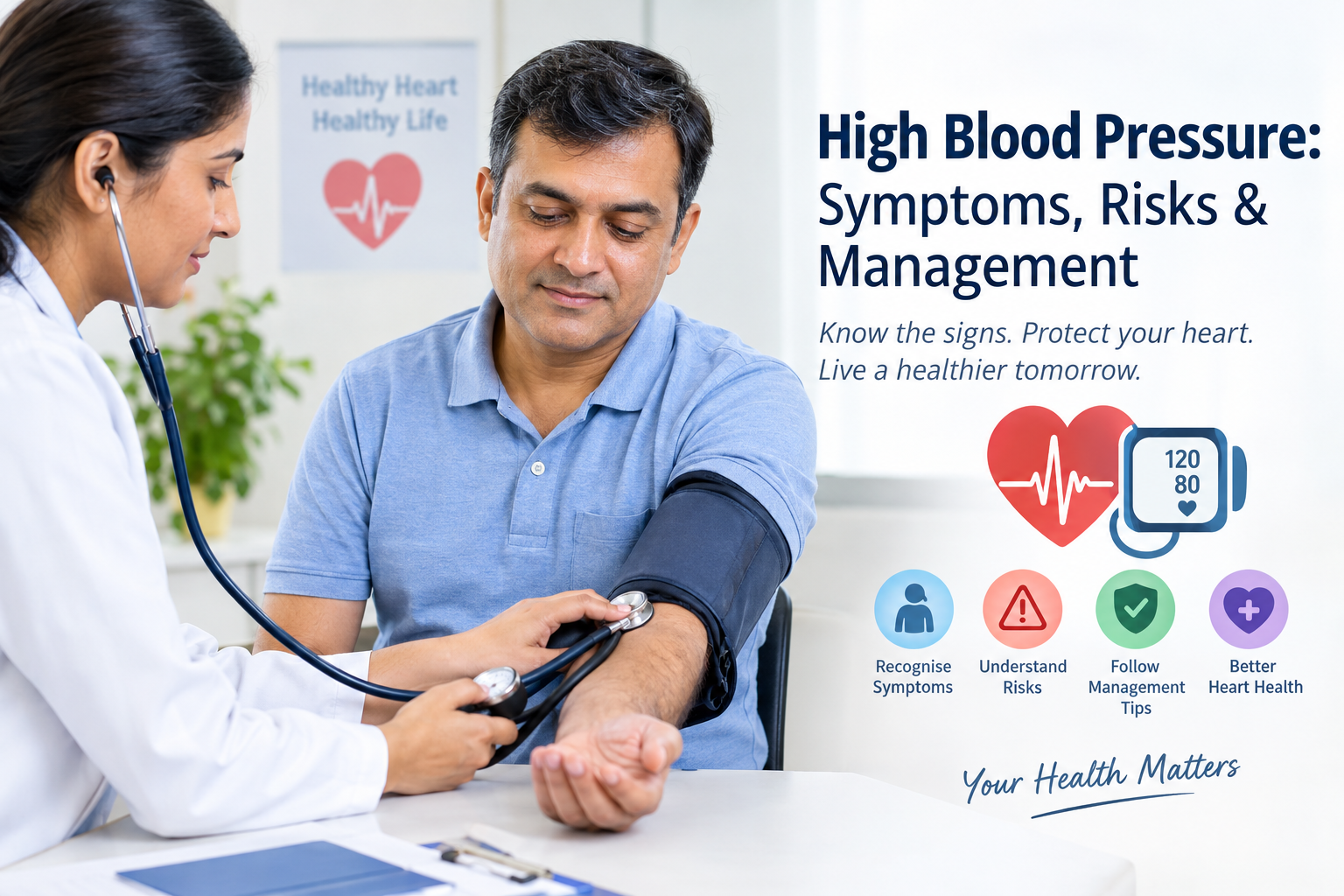
Blood pressure measures the force exerted by circulating blood against the walls of your arteries. It is recorded using two numbers, expressed in millimetres of mercury (mmHg).
For example, a reading of 120/80 mmHg means:
Systolic pressure (120): The pressure in your arteries when your heart contracts and pumps blood.
Diastolic pressure (80): The pressure in your arteries when your heart relaxes between beats.
According to the World Health Organization (WHO), hypertension in adults is generally diagnosed when blood pressure readings are consistently 140/90 mmHg or higher on measurements taken on different days. Your clinician may consider lower thresholds depending on the guidelines used and your individual cardiovascular risk.
A single elevated reading does not necessarily mean you have hypertension. A healthcare professional can assess repeated measurements and determine whether treatment is needed.
What Are the Symptoms of High Blood Pressure?
High blood pressure is often called a silent condition because most people do not experience noticeable symptoms, even when their readings are high.
The only reliable way to know whether your blood pressure is elevated is to have it measured.
When blood pressure becomes severely elevated, some people may experience symptoms such as:
Severe headache
Blurred vision or other changes in vision
Chest pain
Shortness of breath
Dizziness or confusion
Nausea or vomiting
Weakness, numbness or difficulty speaking
These symptoms are not specific to hypertension and may indicate other serious conditions. Do not wait for symptoms to appear before getting your blood pressure checked.
When Is High Blood Pressure an Emergency?
If your blood pressure reading is above 180/120 mmHg, wait at least one minute and measure it again.
If the reading remains this high but you have no symptoms: Contact a healthcare professional promptly for urgent guidance.
If you have chest pain, breathing difficulty, weakness, vision changes, confusion or difficulty speaking: Seek emergency medical care immediately. Do not delay while trying to lower your blood pressure at home.
Severely elevated blood pressure accompanied by signs of organ damage can be life-threatening.
What Causes High Blood Pressure?
Hypertension can develop due to a combination of genetic, lifestyle and medical factors. In many cases, there is no single identifiable cause.
Common contributing factors include:
1. Excessive Salt Intake
Eating too much salt can increase blood pressure, particularly in people who are salt-sensitive. Packaged snacks, pickles, papad, instant foods and heavily salted meals can contribute to excessive sodium intake.
2. Lack of Physical Activity
A sedentary lifestyle can contribute to weight gain and increase the risk of hypertension. Regular physical activity supports healthy circulation and cardiovascular function.
3. Being Overweight or Obese
Excess body weight places additional demands on the cardiovascular system and is associated with a higher risk of developing high blood pressure.
4. Chronic Stress and Poor Sleep
Persistent stress and inadequate sleep can affect overall health and may contribute to elevated blood pressure. Sleep disorders, including obstructive sleep apnoea, can also increase hypertension risk.
5. Smoking and Tobacco Use
Tobacco can temporarily raise blood pressure and damages blood vessels. Smoking also increases the risk of heart disease and stroke.
6. Family History and Age
Your risk may be higher if close family members have hypertension. Blood pressure problems also become more common with age, although younger adults can develop them too.
7. Underlying Medical Conditions
Kidney disease, diabetes, certain hormonal disorders and some medications can contribute to high blood pressure. Your doctor may investigate these factors when appropriate.
What Are the Health Risks of Uncontrolled High Blood Pressure?
Leaving hypertension untreated can gradually damage important organs, even if you do not feel unwell.
Heart disease: The heart must work harder to pump blood, increasing the risk of heart failure, coronary artery disease and other cardiovascular complications.
Stroke: High blood pressure damages blood vessels and is a major risk factor for both blocked and bleeding blood vessels in the brain.
Kidney damage: Persistent hypertension can damage the small blood vessels in the kidneys, reducing their ability to filter waste effectively.
Eye problems: Damage to the blood vessels in the retina may affect vision.
Cognitive problems: Long-term uncontrolled hypertension is associated with an increased risk of cognitive decline and vascular dementia.
The good news is that early detection, appropriate treatment and consistent lifestyle changes can significantly reduce these risks.
How Is High Blood Pressure Diagnosed?
A blood pressure check is quick, painless and widely available. However, an accurate diagnosis requires more than relying on how you feel or on a single reading.
Your healthcare professional may:
Measure your blood pressure using a properly sized cuff.
Repeat measurements to confirm whether the reading remains elevated.
Recommend home blood pressure monitoring or ambulatory monitoring when appropriate.
Review your medical history, family history, lifestyle and current medications.
Recommend blood tests, urine tests, kidney function assessment, cholesterol testing or an ECG based on your health needs.
How to Measure Blood Pressure Correctly at Home
Follow these simple steps for a more reliable reading:
Avoid caffeine, smoking and exercise for at least 30 minutes beforehand.
Empty your bladder and sit quietly for five minutes.
Sit with your back supported, feet flat on the floor and legs uncrossed.
Rest your bare arm on a table at heart level.
Use a validated blood pressure monitor and the correct cuff size.
Take two readings about one minute apart and record both.
Measure your blood pressure at consistent times as advised by your healthcare professional. Bring your readings to appointments to help your doctor assess your progress.
How Can High Blood Pressure Be Managed?
The right treatment plan depends on your blood pressure readings, age, overall health and risk of cardiovascular disease. Many people benefit from lifestyle changes, while others also require prescription medication.
1. Follow a Heart-Healthy Diet
Include more vegetables, fruits, whole grains, beans, pulses, nuts and other minimally processed foods in your meals.
Reduce your intake of salty packaged foods, processed meats, deep-fried snacks and foods high in saturated fat. Limit added salt; the WHO recommends less than 5 grams of salt per day for most adults, unless your clinician advises otherwise.
People with kidney disease or other medical conditions may need individual dietary advice.
2. Exercise Regularly
Aim for at least 150 minutes of moderate-intensity aerobic activity per week, such as brisk walking, cycling or swimming, if your health allows.
You can start with short walks and gradually increase your activity level. Consult your doctor before beginning strenuous exercise if you have uncontrolled hypertension or other significant health concerns.
3. Maintain a Healthy Weight
If you are overweight, gradual and sustainable weight loss may help lower blood pressure. Focus on balanced meals, regular activity and realistic goals rather than crash diets.
4. Manage Stress
Relaxation techniques, breathing exercises, meditation, enjoyable hobbies and regular breaks may help you manage stress.
Stress management supports overall well-being, but it should not replace medical treatment for hypertension.
5. Avoid Tobacco and Limit Alcohol
Quitting smoking and avoiding other tobacco products support cardiovascular health. Avoiding alcohol is beneficial for blood pressure; if you drink, discuss appropriate limits with your healthcare professional.
6. Take Prescribed Medicines as Directed
Doctors may prescribe medicines such as ACE inhibitors, angiotensin receptor blockers, calcium channel blockers or diuretics, depending on your needs.
Important reminders:
Take your medicines as prescribed.
Do not stop medication because your readings improve.
Do not double a missed dose unless specifically instructed.
Discuss side effects or concerns with your doctor before making changes.
Avoid using another person's blood pressure medication.
Lifestyle changes and medication often work best when combined.
Can High Blood Pressure Be Controlled Naturally?
Healthy habits can make a meaningful difference to blood pressure control. Reducing salt intake, eating a balanced diet, exercising regularly, maintaining a healthy weight and getting sufficient sleep are useful steps.
However, natural remedies cannot reliably replace prescribed hypertension medication. Garlic supplements, herbal preparations and other products may interact with medicines or cause side effects.
If your blood pressure is consistently elevated, consult a healthcare professional rather than relying exclusively on home remedies.
How Often Should You Check Your Blood Pressure?
The appropriate frequency depends on your readings and personal risk factors.
Normal readings: Continue routine checks during regular health visits, as recommended by your clinician.
Elevated or borderline readings: Arrange follow-up monitoring and discuss lifestyle changes.
Diagnosed hypertension: Monitor as advised and attend scheduled follow-up appointments.
Diabetes, kidney disease or cardiovascular disease: Your doctor may recommend more frequent monitoring.
Regular follow-up helps determine whether your treatment is working and whether adjustments are needed.
When Should You Consult a Doctor in Guwahati?
Consider scheduling a medical consultation if:
Your blood pressure readings are repeatedly elevated.
You have diabetes, kidney disease or a family history of hypertension.
You experience recurring headaches or vision changes and are concerned about your health.
You are taking blood pressure medication and need a treatment review.
You need advice on diet, physical activity or home blood pressure monitoring.
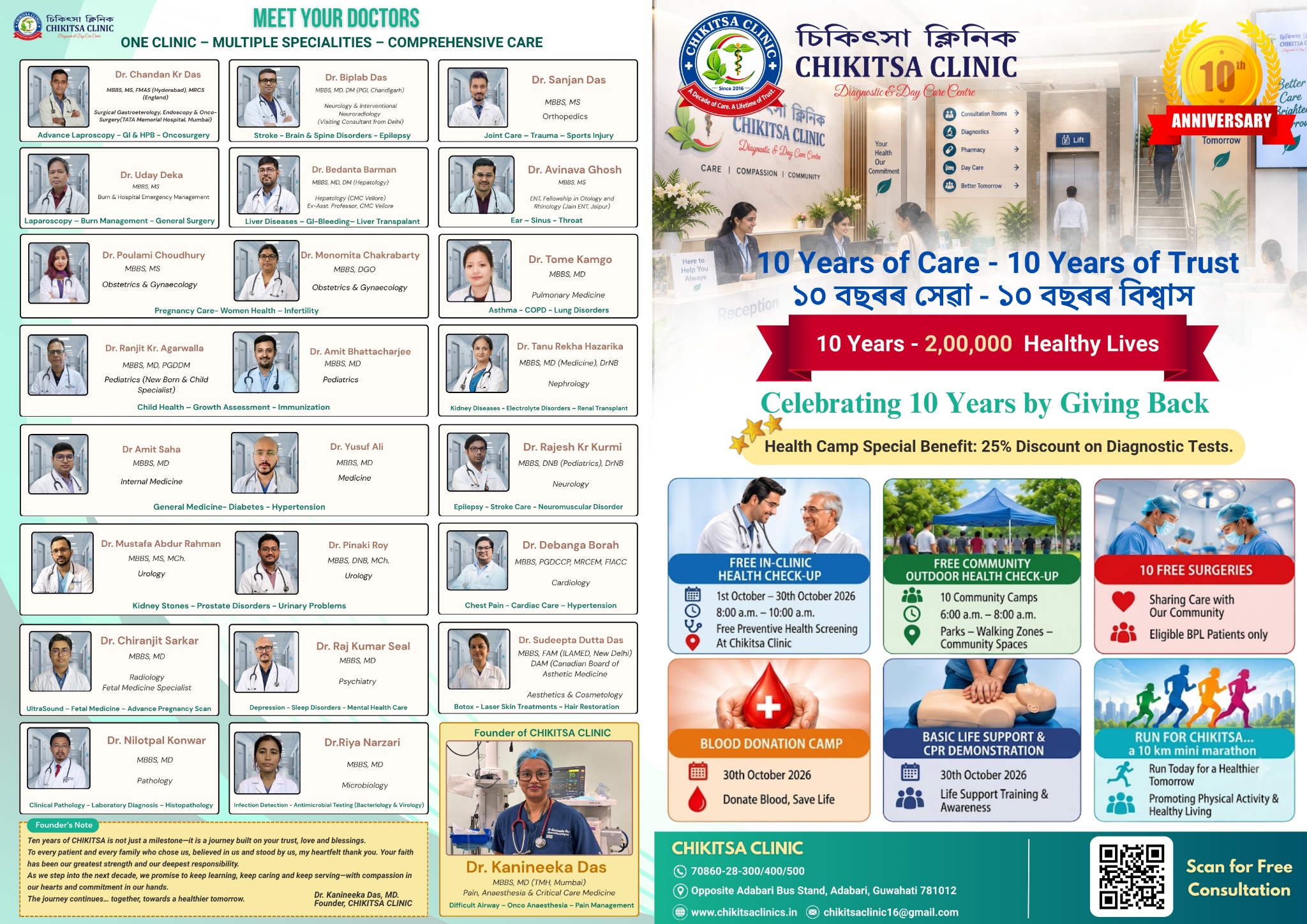
If you are looking for a clinic in Guwahati for blood pressure evaluation and general health guidance, Chikitsa Clinic in Adabari can be a local point of contact.
Clinic: Chikitsa Clinic, Opposite Adabari Bus Stand, Adabari, Guwahati, Assam – 781012.
Contact: 70860-28-300 / 70860-28-400 / 70860-28-500.
Please confirm current consultation availability and the appropriate specialist before visiting.
Frequently Asked Questions (FAQs)
1. What are the first symptoms of high blood pressure?
Most people do not experience early symptoms. Regular blood pressure measurement is the best way to detect hypertension.
2. What is considered high blood pressure?
The WHO generally defines hypertension in adults as blood pressure consistently at or above 140/90 mmHg on measurements taken on different days. Some clinical guidelines use lower thresholds to identify high blood pressure. Your doctor can interpret your readings in context.
3. Can high blood pressure occur without symptoms?
Yes. Hypertension often causes no noticeable symptoms for years while gradually damaging the heart, kidneys, brain and blood vessels.
4. How can I lower my blood pressure naturally?
Reducing salt intake, eating a balanced diet, exercising regularly, maintaining a healthy weight, avoiding tobacco and improving sleep can help. These steps do not replace prescribed medication when medication is necessary.
5. Is high blood pressure dangerous?
Uncontrolled hypertension increases the risk of heart attack, stroke, kidney disease, eye damage and heart failure. Early detection and treatment can reduce these risks.
6. Can young adults develop hypertension?
Yes. Young adults can develop high blood pressure due to genetics, lifestyle factors, underlying medical conditions or certain medications. Blood pressure checks are important at every adult age.
7. Should I stop my medicine if my blood pressure becomes normal?
No. Normal readings may mean that your treatment is working. Never stop or change prescribed medication without consulting your healthcare professional.
8. When should I seek emergency care for high blood pressure?
If your reading remains above 180/120 mmHg and you have chest pain, shortness of breath, weakness, vision changes or difficulty speaking, seek emergency medical care immediately. If the reading remains this high without symptoms, contact a healthcare professional promptly.
9. Where can I get a blood pressure checkup in Guwahati?
You can contact Chikitsa Clinic in Adabari, Guwahati, to enquire about blood pressure assessment and general medical consultation.
Conclusion
High blood pressure is common, but its long-term complications can often be prevented or reduced with early detection and consistent management. Since hypertension frequently develops without symptoms, regular blood pressure checks are important even when you feel healthy.
A balanced diet, regular exercise, reduced salt intake, good sleep and appropriate medical treatment can help you maintain healthier blood pressure levels.
If your readings are consistently elevated, seek professional advice instead of waiting for symptoms to appear.
Take a proactive step towards better heart health with Chikitsa Clinic, Guwahati. Contact the clinic to enquire about a consultation and make blood pressure monitoring part of your routine healthcare.