
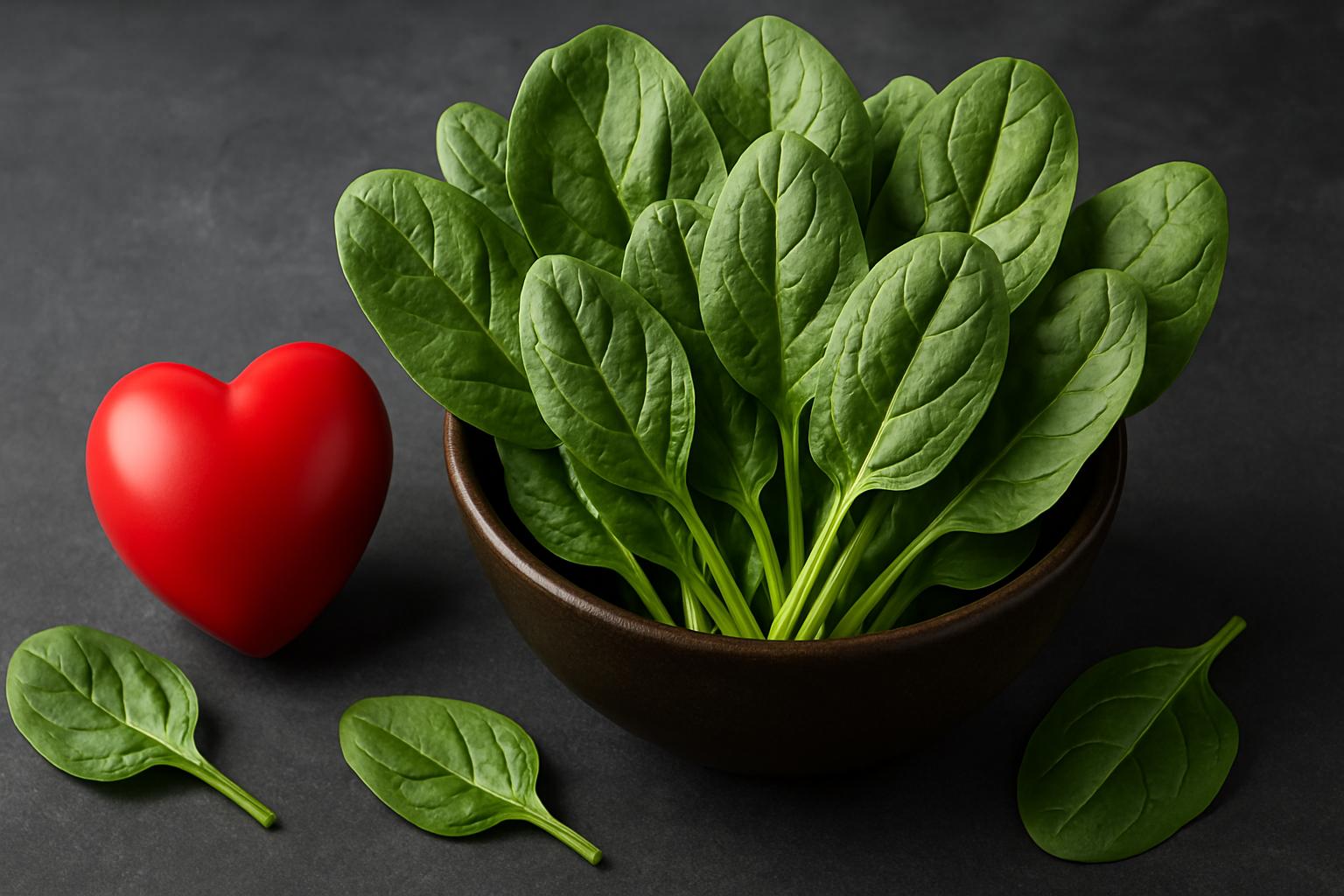
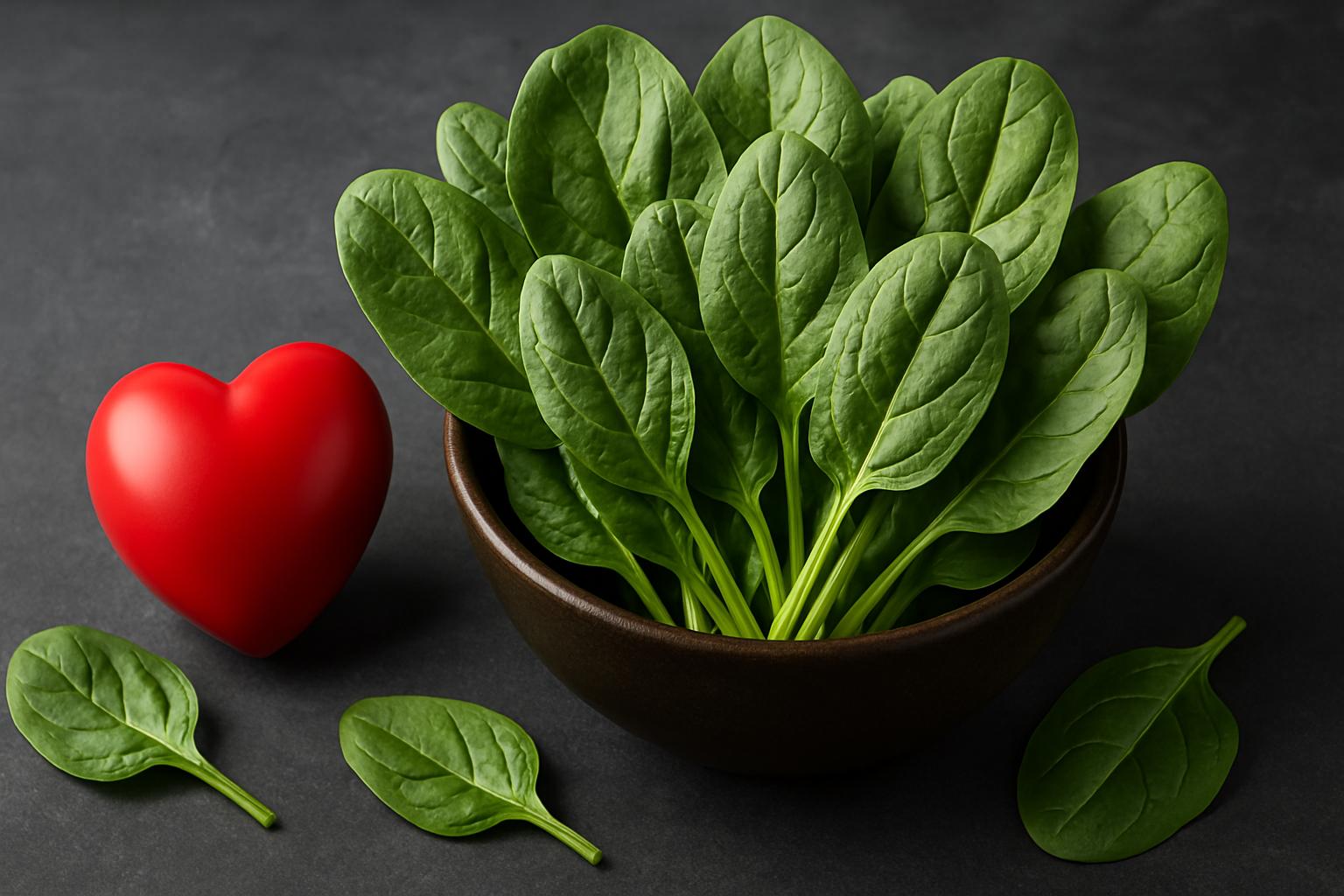
Leafy greens such as spinach, kale, lettuce, mustard greens and other local greens can be excellent additions to a heart-healthy diet.
Many leafy vegetables provide potassium, magnesium and dietary fibre.
Potassium is particularly important because it helps balance the effects of sodium in the body.
Try: Add spinach or other greens to dal, soups, vegetable dishes, salads or smoothies.
2. Bananas
Bananas are a convenient source of potassium and can be an easy addition to breakfast or a snack.
Potassium plays an important role in maintaining normal fluid balance and supporting healthy blood pressure.
Try: Add sliced banana to oats or eat one as a simple snack.
3. Berries
Berries such as strawberries, blueberries and other colourful berries contain antioxidants and other plant compounds.
Their natural sweetness makes them a useful alternative to highly processed desserts.
Try: Add berries to plain yoghurt, oats or a fruit bowl.
4. Oats
Oats are rich in soluble fibre and can be part of a balanced breakfast.
A bowl of minimally processed oats can also be more filling than many refined breakfast foods.
Try: Prepare oats with milk or unsweetened alternatives and add fruit, nuts or seeds.
5. Beetroot
Beetroot contains naturally occurring nitrates, which are involved in the body's production of nitric oxide and blood-vessel function.
You can enjoy beetroot cooked, roasted or incorporated into salads.
Try: Add beetroot to vegetable salads or homemade meals rather than relying on heavily processed beetroot products.
6. Garlic
Garlic is widely used in Indian cooking and can add flavour without requiring excessive salt.
It also contains plant compounds that have been studied for their potential cardiovascular benefits.
Try: Use fresh garlic to flavour vegetables, soups, dal and other dishes.
7. Fatty Fish
Fatty fish such as salmon, sardines and mackerel provide omega-3 fatty acids and high-quality protein.
Omega-3 fats are associated with cardiovascular health.
Try: Choose grilled, baked or lightly cooked fish instead of deep-fried preparations.
8. Unsalted Nuts
Almonds, walnuts and other nuts can provide healthy fats, magnesium, protein and fibre.
However, portion size matters because nuts are energy-dense.
Best choice: Choose unsalted nuts rather than heavily salted or flavoured varieties.
9. Seeds
Flaxseeds, chia seeds, pumpkin seeds and other seeds can provide fibre, healthy fats and minerals.
They can easily be incorporated into everyday meals.
Try: Sprinkle a small amount over oats, yoghurt, salads or smoothies.
10. Beans and Lentils

Beans, lentils, chickpeas and other legumes are nutritious sources of plant protein and fibre.
They can be especially useful for people trying to reduce their reliance on highly processed meat-based meals.
Try: Include dal, rajma, chickpeas or other legumes as part of balanced meals.
11. Avocados
Avocados provide healthy unsaturated fats, fibre and potassium.
They can be included in moderation as part of a balanced eating pattern.
Try: Add avocado to salads or whole-grain toast.
12. Tomatoes
Tomatoes provide potassium and antioxidants and are easy to incorporate into everyday meals.
Fresh tomatoes can be used in salads, curries, soups and vegetable preparations.
Tip: Fresh tomatoes are preferable to highly processed tomato products that contain large amounts of added sodium.
13. Low-Fat Yogurt
Plain yoghurt can provide protein, calcium and other nutrients.
Choose unsweetened, lower-fat varieties where appropriate, and check the nutrition label of packaged products.
Try: Combine plain yoghurt with fruit and a small amount of nuts or seeds.
14. Whole Grains
Whole grains such as brown rice, oats and whole-wheat products contain more fibre and nutrients than refined grains.
Replacing some refined grains with whole grains can contribute to a healthier overall dietary pattern.
Try: Choose brown rice, whole-wheat roti or oats more frequently.
15. Pomegranate
Pomegranate contains antioxidants and can be enjoyed as part of a balanced diet.
Whole fruit is generally preferable to sweetened packaged juices because it provides fibre and requires less processing.
Try: Add fresh pomegranate seeds to salads or yoghurt.
16. Citrus Fruits
Oranges, lemons, sweet lime and other citrus fruits provide vitamin C and other beneficial plant compounds.
Whole citrus fruits also provide fibre.
Try: Eat the whole fruit rather than relying primarily on packaged fruit drinks.
17. Dark Chocolate
Dark chocolate containing a high percentage of cocoa may contain flavonoids and other plant compounds.
However, chocolate can also contain significant amounts of calories and added sugar, so portion size matters.
Choose: A small portion of dark chocolate with a higher cocoa percentage rather than highly sugary chocolate products.
Foods to Limit If You Have High Blood Pressure
Knowing what not to eat for high blood pressure is also important.
Try to limit foods that are particularly high in sodium, saturated fat or added sugars.
These may include:
- Packaged salty snacks
- Instant noodles
- Processed meats
- Pickles with high sodium
- Papad and other salty accompaniments
- Fast food
- Packaged soups
- Highly processed frozen foods
- Salted nuts
- Excessively salty restaurant meals
- Sugary drinks
- Foods high in saturated and trans fats
Be Careful With Salt
Excess sodium can contribute to elevated blood pressure in many people.
Instead of adding more salt, experiment with flavouring food using:
- Garlic
- Ginger
- Lemon
- Coriander
- Cumin
- Black pepper
- Herbs and spices
This can make meals flavourful without depending heavily on salt.
A Simple High Blood Pressure-Friendly Indian Meal Plan
You don't need to completely change your diet overnight.
Breakfast
- Oats with fruit and unsalted nuts
OR - Vegetable poha with a side of fruit
Mid-Morning
- One whole fruit such as an orange, apple or banana
Lunch
- Dal
- Vegetable sabzi
- Whole-wheat roti or brown rice
- Salad
- Plain yoghurt
Evening Snack
- Unsalted nuts or roasted legumes
- Herbal or unsweetened tea
Dinner
- Grilled or lightly cooked fish/tofu/dal
- Mixed vegetables
- Whole-wheat roti
The exact diet should be adjusted according to your nutritional requirements, medical conditions, medications and doctor's recommendations.
5 Simple Diet Tips for Managing High BP
1. Read Food Labels
Check sodium content when buying packaged foods.
2. Cook More Meals at Home
Home cooking makes it easier to control the amount of salt, oil and sugar used.
3. Eat More Vegetables
Try to include vegetables in most main meals.
4. Choose Whole Foods More Often
Fresh fruits, vegetables, legumes, whole grains, nuts and seeds can form the foundation of a healthy eating pattern.
5. Don't Stop Medication on Your Own
Even if your blood pressure improves after dietary and lifestyle changes, never stop prescribed blood-pressure medication without speaking to your doctor.
When Should You See a Doctor for High Blood Pressure?
Diet is only one part of hypertension management.
Speak with a healthcare professional if you:
- Frequently have elevated BP readings
- Have been diagnosed with hypertension
- Have difficulty controlling your blood pressure
- Experience headaches, dizziness or other concerning symptoms
- Have diabetes, kidney disease or heart disease
- Are taking medication for blood pressure
- Have a strong family history of cardiovascular disease
If you have a very high blood pressure reading accompanied by symptoms such as chest pain, severe shortness of breath, confusion, weakness, vision changes or severe headache, seek urgent medical care.
High Blood Pressure Care in Guwahati
If you are searching for high blood pressure treatment in Guwahati, proper medical evaluation is important. Managing hypertension may involve regular BP monitoring, dietary changes, physical activity, weight management, medication when required and treatment of related health conditions.
At Chikitsa Clinic, Guwahati, patients can access multidisciplinary healthcare services and consultations across different specialties. For people with persistent high blood pressure or cardiovascular risk factors, consulting an appropriately qualified doctor can help determine the right evaluation and management plan.
For more information about Chikitsa Clinic's services and appointments, visit Chikitsa Clinic.
Frequently Asked Questions
Q1. What are the best foods for high blood pressure?
Answer: Leafy greens, bananas, berries, oats, beans, lentils, unsalted nuts, seeds, whole grains, fish, vegetables and low-fat dairy can be part of a heart-healthy eating pattern that supports healthy blood pressure.
Q2. Which foods should I avoid with high blood pressure?
Answer: Limit foods high in sodium, such as packaged salty snacks, processed meats, instant foods, highly salted pickles, fast foods and other heavily processed products. Excessive alcohol and foods high in saturated fat and added sugar should also be limited.
Q3. Is banana good for high blood pressure?
Answer: Bananas provide potassium, an important mineral involved in fluid balance and blood-pressure regulation. They can be included as part of a balanced diet unless your doctor has advised you to restrict potassium.
Q4. Is oats good for high BP?
Answer: Oats provide soluble fibre and can be part of a balanced, heart-friendly diet. Choose minimally processed oats and avoid adding excessive sugar or salt.
Q5. Can garlic lower blood pressure?
Answer: Garlic contains compounds that have been studied for cardiovascular effects. It can be a healthy flavouring addition to meals, but it should not be considered a replacement for prescribed hypertension treatment.
Q6. Is salt bad for high blood pressure?
Answer: Excess sodium can contribute to elevated blood pressure in many people. Reducing excessive salt and choosing fresh, minimally processed foods can help support better blood-pressure management.
Q7. Can high blood pressure be controlled through diet alone?
Answer: Some people may see meaningful improvements through dietary and lifestyle changes, but others require medication as well. The appropriate treatment depends on the individual's blood pressure and overall health.
Q8. How often should I check my blood pressure?
Answer: The appropriate frequency depends on your health status and your doctor's advice. People diagnosed with hypertension may be advised to monitor their BP regularly at home.
Q9. Who should I consult for high blood pressure in Guwahati?
Answer: You can begin with a qualified physician or consult a cardiology specialist when appropriate. The doctor can assess your blood pressure, risk factors and other health conditions and recommend further care.
Conclusion
A healthy diet can be an important part of managing high blood pressure. Including leafy greens, fruits, vegetables, whole grains, beans, lentils, nuts, seeds and healthy sources of protein can help create a nutritious eating pattern.
At the same time, reducing excessive sodium, highly processed foods and unhealthy fats can support cardiovascular health.
However, food alone should not be considered a cure for hypertension. Regular blood pressure monitoring, physical activity, maintaining a healthy weight, stress management, medical follow-up and taking prescribed medicines correctly are all important components of comprehensive blood-pressure care.
If you have high BP or repeatedly receive elevated readings, speak with a healthcare professional rather than trying to manage the condition entirely on your own.
For patients looking for hypertension and general healthcare services in Guwahati, Chikitsa Clinic provides multidisciplinary medical care and doctor consultations.